



Fifteen years across engineering, enterprise, and federal markets. Each chapter was deliberate. Each one sharpened the next. Here's how it played out, and why it matters for what I do now.
Network engineering, where things either worked or they didn't
I started as an RF and Network Engineer running large-scale deployments across the US and North America. Managed vendors, coordinated teams across time zones, and delivered on programs where if something broke, people noticed. That taught me how real systems work and what happens when you cut corners.
$75M modernization, 25 departments, zero shortcuts
At AT&T I moved across functions on purpose. Led a $75M modernization that touched 25 departments and 100+ platforms. That taught me how big organizations actually get things done, how to earn buy-in when nobody reports to you, and how to talk to engineers and executives in the same room.

Relationships are how things actually get done.
I've seen great ideas die because nobody built the relationships to carry them through. And I've seen average ideas win because someone took the time to earn trust in every room they walked into. That's always been my role. Not the loudest voice, but the one people trust. AI can write the deck and run the analysis. But the person who can sit across the table and actually connect? That's still how things get across the finish line. That part isn't going anywhere.
Built a product division from zero. $25M+ ARR. DoD and Fortune 500.
At Ace Computers I built a product division from scratch and commercialized GenAI and ML platforms across SaaS and on-premise delivery models for DoD agencies and Fortune 500 clients. Navigated FedRAMP, TAA compliance, and GSA Schedule positioning while shipping real AI products. This is where everything came together: engineering discipline, enterprise scale, and the ability to move in regulated environments where getting it wrong is not an option.
Right now: I built Techo Tuesday from the ground up. Earned my SAFe AI-Empowered POPM and SAFe 6 Agilist certifications. Completed GenAI for Product Managers and LLM & Prompt Engineering courses. Currently pursuing Agentic AI and AWS Solutions Architect tracks. Writing about federal AI product strategy. Looking for Senior PM and AI leadership roles where the problems are real and the team gives a damn.
The title was never the point.
I've turned down promotions that would have moved me away from the work that actually mattered. No regrets. The org chart is not the scoreboard I care about.
I ask the question nobody wants to ask.
Not to be difficult. Because nine times out of ten, if I'm thinking it, half the room is too. I'd rather say it out loud than let it quietly derail things two sprints later.
I hold strong opinions loosely.
I'll push back hard if I think something is wrong. And when better information shows up, I change my mind publicly. I'm not trying to be consistent. I'm trying to be right.
Meetings without decisions make me tired.
Process theater, metrics for optics, roadmaps nobody believes in: I find all of it genuinely draining. I work best in rooms where the goal is to actually solve something and then go do it.
I connect things that don't obviously belong together.
I read across domains on purpose: history, psychology, systems thinking, whatever pulled my attention that week. Half the time the most useful thing I bring into a product conversation came from something that had nothing to do with product. I stopped apologizing for that a long time ago.
I'm comfortable being early and wrong for a while.
Some of the work I'm most proud of spent a year getting told it was too risky, too complicated, or too soon. Then it shipped. Then the same people were proud of it. I can wait.
I don't build for the demo. I build for the person who has to use it on a Tuesday afternoon when nothing else is going right and the last thing they need is software that makes their day harder.
How I think about the workYou don't hire a PM for the calm days. Here's where I do my best work.
The work starts with user workflow discovery, experimentation, and evaluations. Not the demo. The teams that skip the discovery phase build products nobody uses. I've watched that pattern too many times to run it myself.


Built product division from zero, shipping AI SaaS, HPC, and cloud to DoD and Fortune 500
Directed $75M modernization unifying 100+ platforms, built VoC across 25 depts with $1.5M in savings.
Led 4G/5G, Private LTE, FirstNet across the US with 100% on-time delivery and $5M+ in deals.
If you can't explain what you're building and why in plain language, you probably don't understand it well enough yet. Clarity isn't a communication style. It's a form of respect.
Momentum and direction are not the same thing. A bad idea with confident energy behind it is one of the most dangerous things in any organization. I've seen it up close. It's not subtle.


Some origin stories make more sense than they should. I built Techo Tuesday to bring real tech and AI automation services to homeowners and small businesses across Chicagoland. No contracts. No nonsense. Just good work and smart solutions. On the business side, I translate enterprise-grade AI tooling (LLM orchestration, prompt engineering, Zapier, n8n, Copilot, Claude, ChatGPT, Notion AI) into solutions that local operators can actually adopt. Same rigor, smaller scale. Curious about what I'm building?
Come see what I'm buildingSpeed matters. But the kind that comes from being genuinely clear on priorities, not the kind that skips the thinking and calls it agile.
Most problems look like communication problems. Most communication problems are actually trust problems. You can't fix the first one without addressing the second.
My wife is a psychologist. Over the years, through countless conversations at the dinner table, on long drives, and during the kind of late-night debrief that only happens when you trust someone completely, she gave me something no certification or leadership course ever did: a real framework for understanding people. Not in theory. In practice, in the middle of a difficult meeting, a tense sprint review, a stakeholder who is shutting down. I carry it into every team I work with, and it has made me a better colleague, a better leader, and honestly, a better person.
Read the room before the meeting starts.
The engineer who went quiet is not disengaged. They are processing. The stakeholder pushing back hardest is usually the most uncertain. Silence in a retrospective is data, not comfort. Most people telegraph what they need before they say a word. You just have to be paying attention.
Know the difference between responding and reacting.
Responding is a choice. Reacting just happens. The gap between the two is about two seconds and a lot of self-awareness. Under pressure, in a room full of competing agendas, that two seconds is the whole ballgame. I work on it constantly. I do not always get it right. But I know the difference now, and that matters.
Make people feel heard before you make them feel wrong.
You can be completely right and completely ineffective at the same time. If someone does not feel like you actually listened, they are not going to receive what you are saying, no matter how correct it is. This is not a soft skill. It is how trust gets built or lost in real time, in ordinary conversations, every single day.
Know what someone needs before you decide what to give them.
Sometimes people need a decision. Sometimes they need to be validated. Sometimes they just need you to say "that sounds hard" before anything else happens. Getting that wrong is how relationships erode quietly, in ways nobody names until it is too late. Asking is usually faster than guessing, and it almost always lands better.
What Federal Product Management Taught Me
Building and shipping products in regulated, high-stakes environments where compliance is not a checkbox and failure has real consequences. Written from direct experience across DoD and federal agency programs.
Inside the Federal Stack
A deep dive into CCS-3, ADMC-3, OEM/ODM co-development, EPEAT, GSA, FedRAMP, ATO, and what it really takes to build and ship AI hardware in regulated federal environments.
AI Intake for a 4-Attorney Personal Injury Firm
Most leads to a small PI firm came in after hours and got lost. This case study shows the AI intake system that fixed it, built on Twilio, Claude, Google Calendar, MS Teams, and Zapier. Real client, real stack, real results.
More Coming
Additional case studies in progress. See more at work.betosalgado.com
Three books that rewired how I think
The Laws of Human Nature, Thinking in Bets, Never Split the Difference. Not PM manuals. The kind that change your operating system.
Patricia Barber
Café Blue, Verse, Nightclub and Modern Cool on heavy rotation. If you know, you know. If you don't, fix that.
Shout! Studios 4K UHD film restorations of John Woo's HK filmography
The Killer, Hard Boiled, A Better Tomorrow, and Once a Thief. Chow Yun-fat at his best. Streaming won't have these. That's the point.
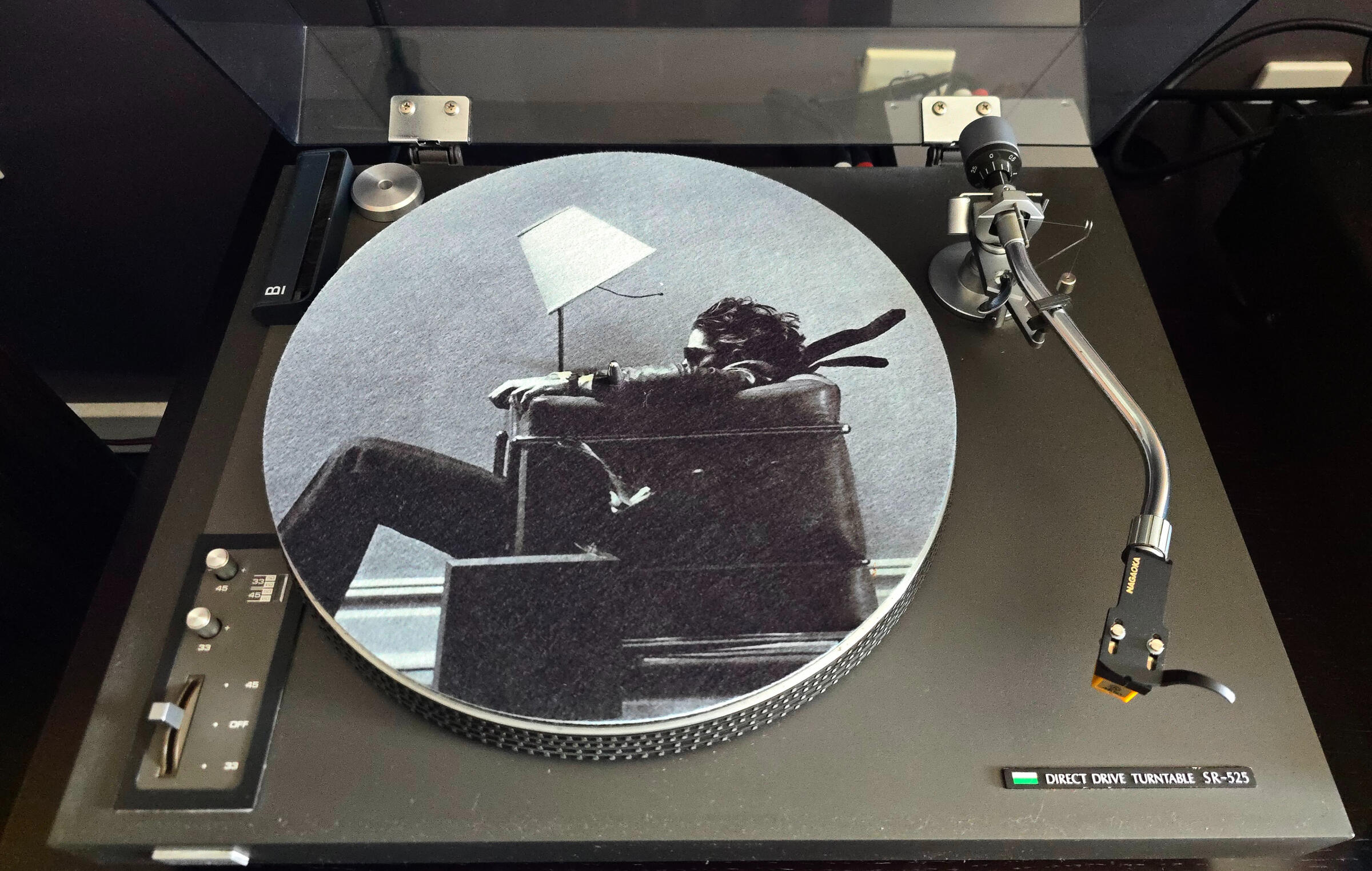
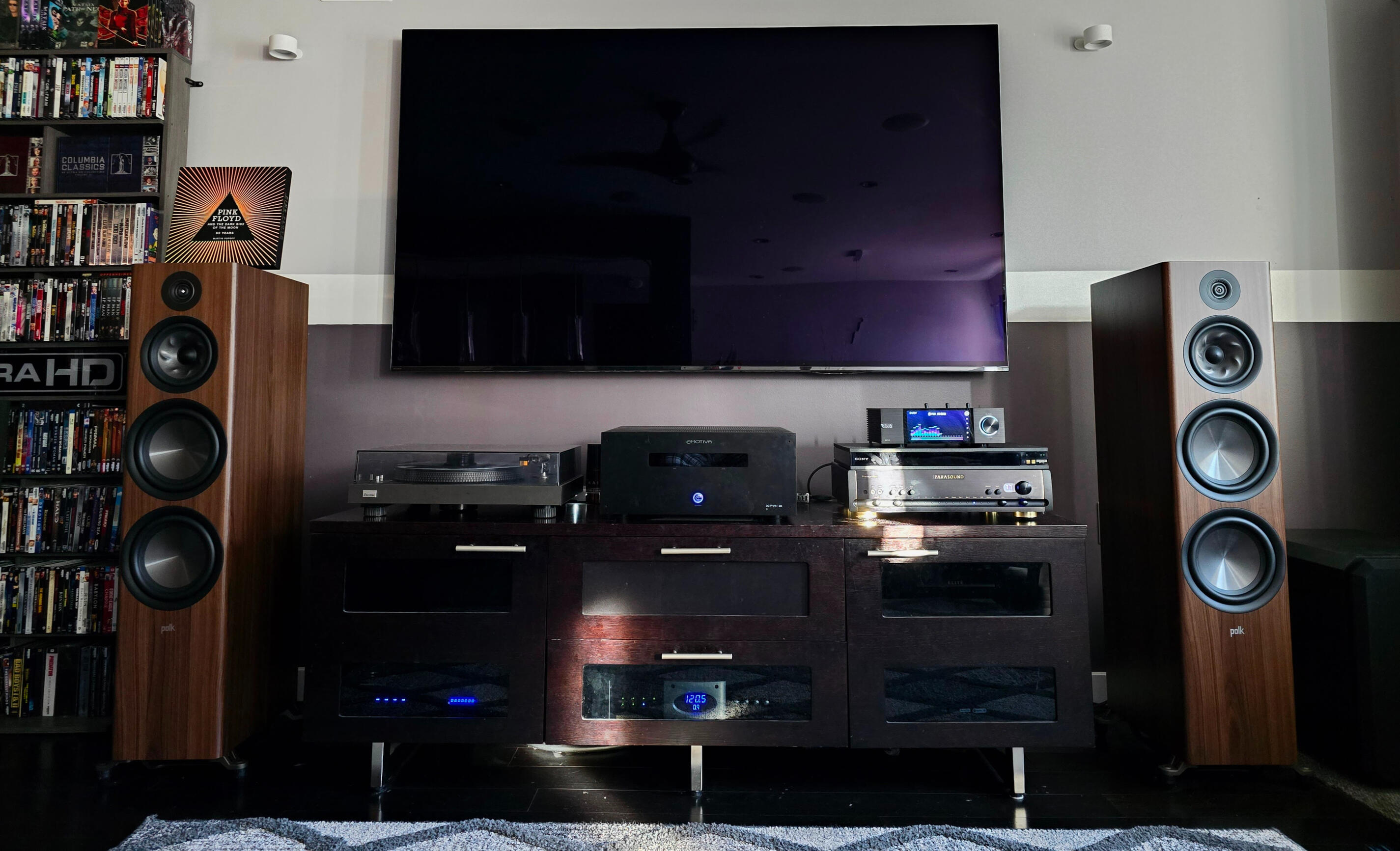
Two-channel stereo, properly
Some things deserve your full attention. This is one of them.
Outside of product, I'm usually building, collecting, or listening to and watching something.

Physical Media
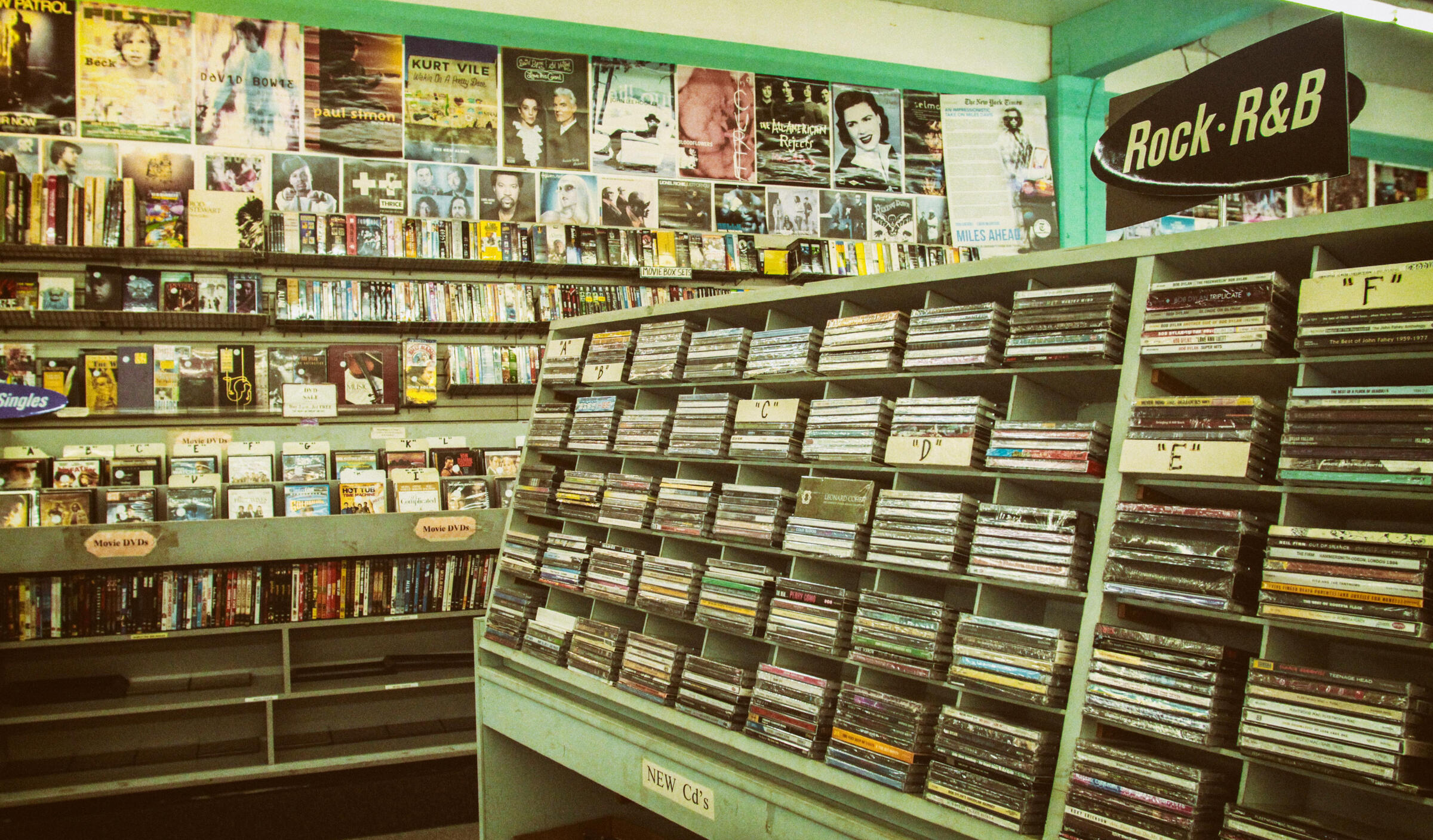
6,500+ CDs, Vinyl, Blu-rays, 4K UHD discs, even old school cassette tapes and counting. No algorithms deciding what you watch next. I will die on this hill.
Two-Channel Stereo
My decompression chamber. A record or CD you chose, playing the way it was meant to be heard. I've tried explaining the DAC thing. I read the room better now.
Home Lab & Networking
Multi-NAS setup, 10Gb network, 60+ home-run Cat6 ports, 42U rack rebuild in progress. My home network has more documentation than some enterprise deployments.

Gaming & Home Theater
Getting the picture and sound calibrated correctly matters as much as the game itself. Ask me about display calibration and Dolby Atmos at your own risk.
Cities, Streets & Travel
Global travel, city and street photography. I like the frame that reveals itself a few minutes after everyone else walks away.

Food & Techo Tuesday
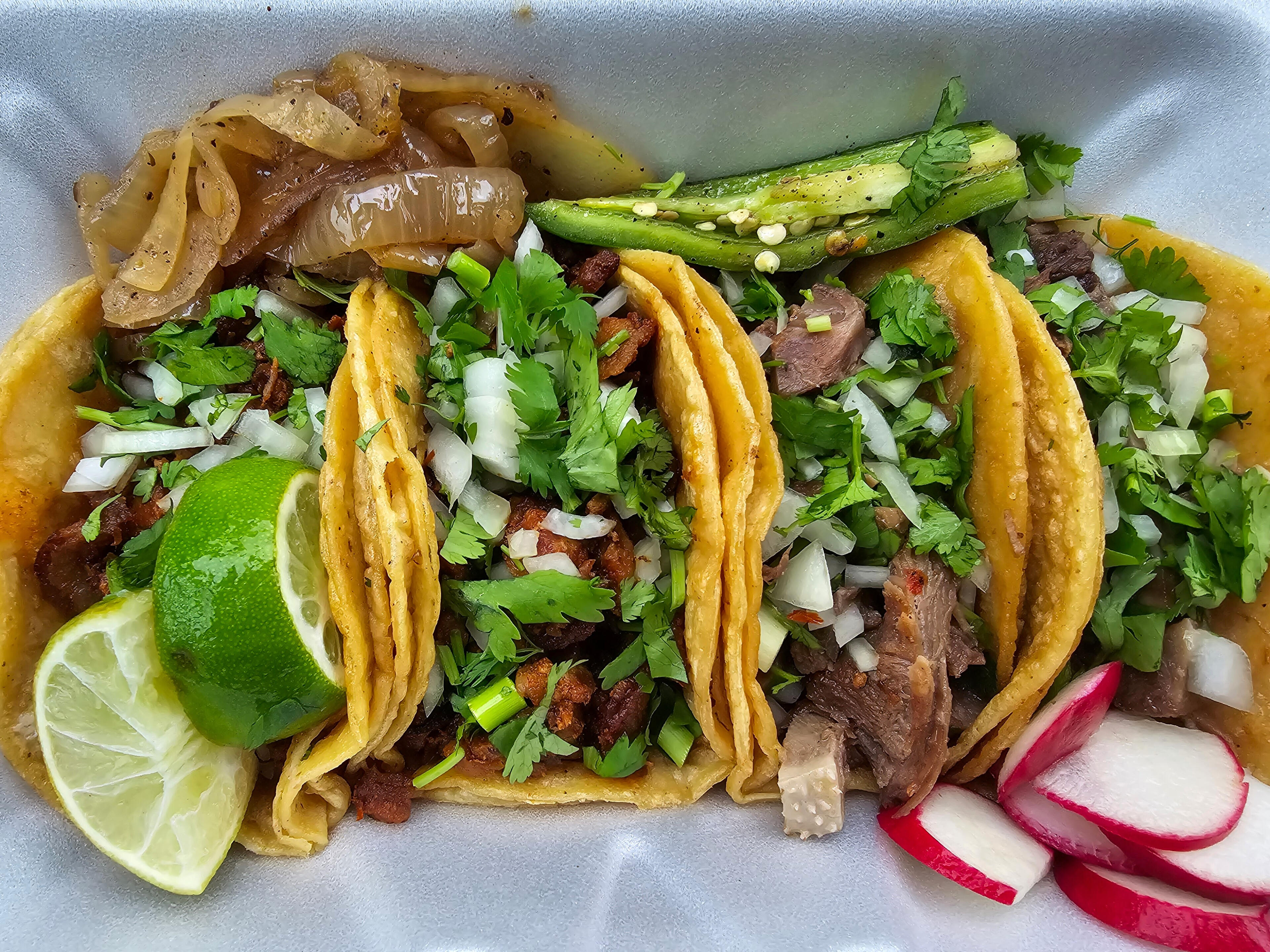
Techo Tuesday got its name from two things I genuinely love: Technology and Tacos. It made sense in the room when I came up with it. It still does.

I also stay sharp by experimenting with AI tools, automation workflows, and whatever new technology is worth understanding from the inside out. Curiosity doesn't have an off switch.

Railfanning with my son is how most of our weekends start. He's got two favorite Metra lines, Rock Island and Milwaukee N/W, and he knows them by sound before they round the bend. As any good Nerd Dad will do, I'm teaching him the craft: how to drop a needle on a record, load a disc into the player the right way, and hunt down a rare import title. But more than any of that, I'm raising him to become a better man than I could ever be.
None of it happens without supervision from our Blue Russian cat, the Chief Audio Inspector, who takes his role very seriously and has final approval on every listening session. If the vinyl selection doesn't meet his standards, you'll know.

Family movie night, my wife's running chocolate supply, and her full psychological breakdown of the film afterward, which is honestly always the best part. We take dining seriously too. New spots, hidden gems, anything worth the drive. The food is the excuse. The conversation is the point.
Travel, cities, and streets. Mostly shot at night, because that's when cities actually show you who they are.
View full albumThe work that matters most doesn't always come with a title. These are the things I show up for because I want to, not because anyone asked me to.
I've been a youth mentor with DECA for over a decade, judging competitive events and sitting down with graduating seniors to talk through college and career decisions. Watching young people figure out what they want to do with their lives never gets old. This is the kind of work that keeps you grounded.
Through HACEMOS at AT&T I spent three years working on mentorship, education, and empowerment initiatives for Hispanic and Latino students. Scholarship programs, STEM projects, community investment. This work mattered to me personally, not just professionally.
Actively exploring Senior PM and AI-enabled product leadership roles. If something looks like a fit, or you just want to talk, I'd genuinely enjoy the conversation.